
Define the change you want to make
Identify the Problem First
Write down the observation before choosing a response. Is dust collecting on surfaces, an odor appearing during AC operation, or a room feeling damp only at certain times? Compare rooms and note recent renovation, product use or maintenance.
This record helps distinguish a recurring source from a short event. It also gives you a practical way to review whether a later change addressed the original concern. The problem overview is a starting point when the observation is difficult to describe.
Control Indoor Sources
Review products, materials and activities associated with the concern. Recent cleaning, fragrances, cooking or new finishes may be useful clues; the presence of a product alone does not establish its contribution.
Where a source is identified, consider reducing or managing its release using suitable product and building guidance. Avoid adding another fragrance simply to cover an unexplained odor. Pollutants and sources explains why source identification matters.
Manage Dust
Combine appropriate surface care with a review of entry routes, textiles and activities. Cleaning removes deposited material, but rapid recurrence may point to a continuing source or movement of dust.
Use the practical dust guide to plan the review. Visible deposits and airborne PM2.5 are different observations, so do not treat a clean shelf as a complete air measurement.
Review Filtration
Check the maintenance history and whether the installed filter is suitable for the system and fits its intended location. A replacement should follow the equipment requirements rather than a universal efficiency recommendation.
Filter selection, resistance and airflow need to work together. The AC filter guide explains why an efficiency label is only one part of the decision.
Consider Ventilation
Understand how outdoor air is provided and how air leaves the occupied space. Cooling and recirculation do not necessarily establish outdoor-air exchange.
Window opening may be useful under some conditions, but outdoor dust, heat and humidity also matter. Review the window-opening considerations alongside the building's existing ventilation arrangement.
Manage Humidity & Moisture
Look for the pattern of wetting rather than rely on how a room feels. Humidity, temperature, cold surfaces and water intrusion can involve different investigation questions.
Record where condensation or dampness appears and when it returns. The humidity guide helps interpret air readings, while persistent material wetting needs its source considered separately.
Investigate HVAC Conditions
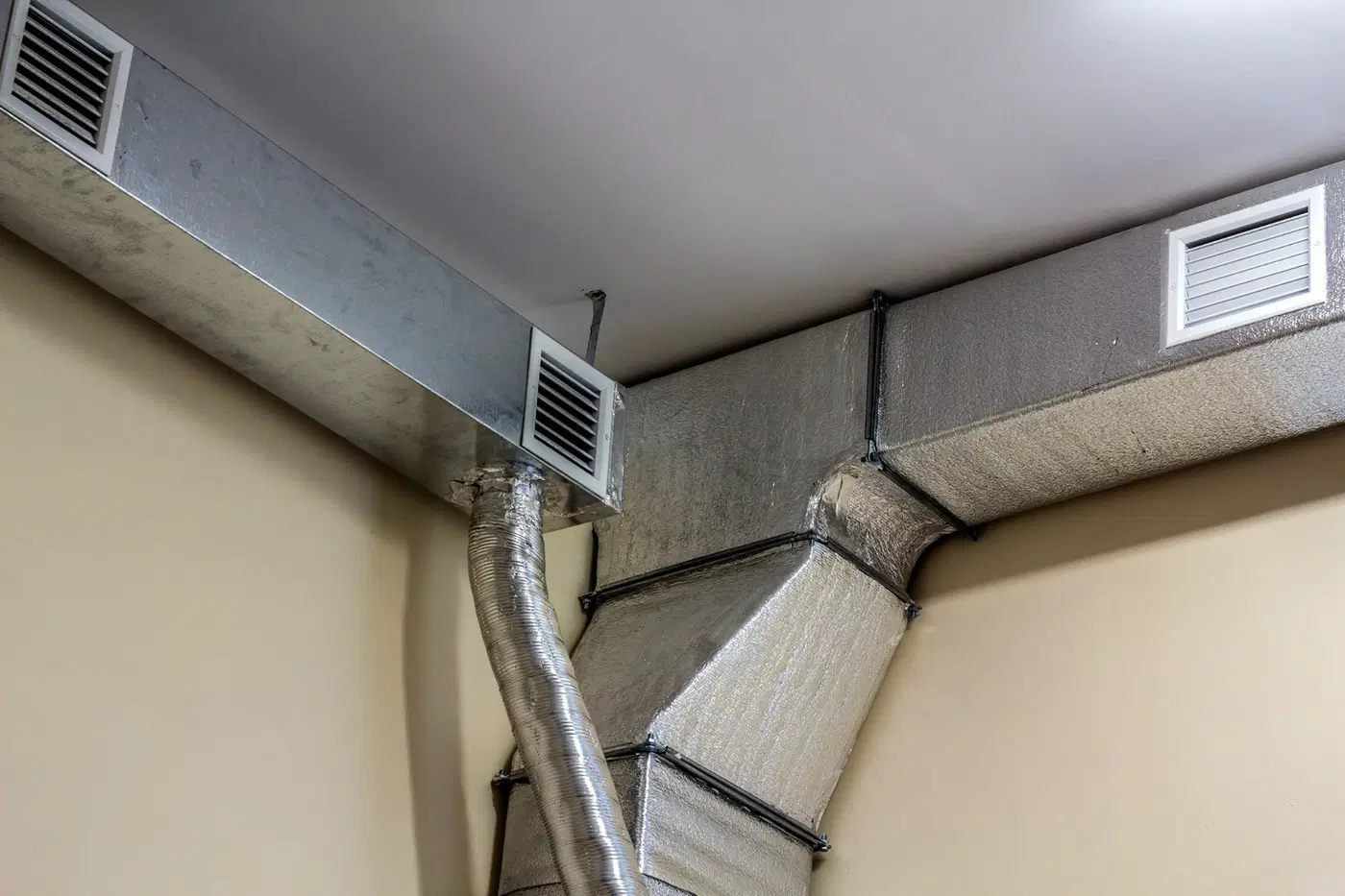
Where the observation follows AC operation or occurs near outlets, review relevant accessible components and service history. Filters, coils, drainage and air routes may deserve different checks.
A system association is a reason for inspection, not proof that every duct needs cleaning. The HVAC guide connects these component questions with the wider indoor environment.
Address Mold / Moisture Sources Where Present
Where growth is suspected or identified, investigate moisture availability, affected materials and extent before choosing corrective work. Appearance alone cannot establish the identity of every dark deposit.
The mold and moisture pillar explains why addressing a visible area without the wetting source can leave an important part of the problem unresolved.
Consider Air Cleaning Where Appropriate
Air cleaning may be one part of a plan when its function matches the pollutant concern and room conditions. Confirm what a device is designed to address, its operating requirements and maintenance.
It should not be used as evidence that a leak, moisture source or ventilation issue has been corrected. The purifier and duct-cleaning comparison separates these different purposes.
Assess the Indoor Environment When the Cause Is Unclear
If observations conflict or the concern persists, a defined assessment scope can help connect property conditions with relevant methods. Bring the room history and the effect of any changes already tried.
- Source control
- Ventilation
- Filtration
- Moisture control
- HVAC condition
Considered together → A better indoor environment