Dust
My Home Is Always Dusty
Possible sources can include outdoor dust, filtration, HVAC conditions and indoor activities.
Explore Dust ProblemsIndoor Air Quality · Dubai / UAE
Indoor air problems are not always visible. Dust, airborne particles, humidity, ventilation, HVAC conditions, VOCs and moisture can all affect the indoor environment. Start by understanding what may be happening inside your property.
Indoor environmental insight backed by real field experience.

Key indoor environmental factors · Educational categories for understanding indoor environments.
01 / Notice the problem
Indoor air problems often begin with a symptom rather than a known cause.
Possible sources can include outdoor dust, filtration, HVAC conditions and indoor activities.
Explore Dust ProblemsMoisture, microbial growth or contamination within parts of the HVAC system may need investigation.
Investigate AC OdorsRecurring mold often means the underlying moisture or humidity condition has not been resolved.
Understand Recurring MoldHumidity and condensation can create uncomfortable conditions and increase moisture-related risks.
Explore Indoor HumidityVentilation, occupancy and indoor CO₂ conditions can help explain why a space feels poorly ventilated.
Understand VentilationStart with an indoor air quality assessment to better understand the indoor environment.
Explore IAQ Assessment02 / Understand the conditions
Air quality is shaped by the building, how it is used and the conditions inside it. Particles, ventilation, chemicals, moisture and HVAC systems can interact. Understanding those connections helps put an individual concern in context.
Understand Indoor Air Quality03 / Investigate before deciding
Understand your indoor air. Identify the cause. Find the right solution. A useful investigation considers the property and its conditions, rather than relying on a meter reading alone.
What are you noticing inside the property?
Review relevant indoor environmental conditions.
Consider HVAC, moisture, ventilation and other potential sources.
Address the actual problem with the appropriate professional solution.
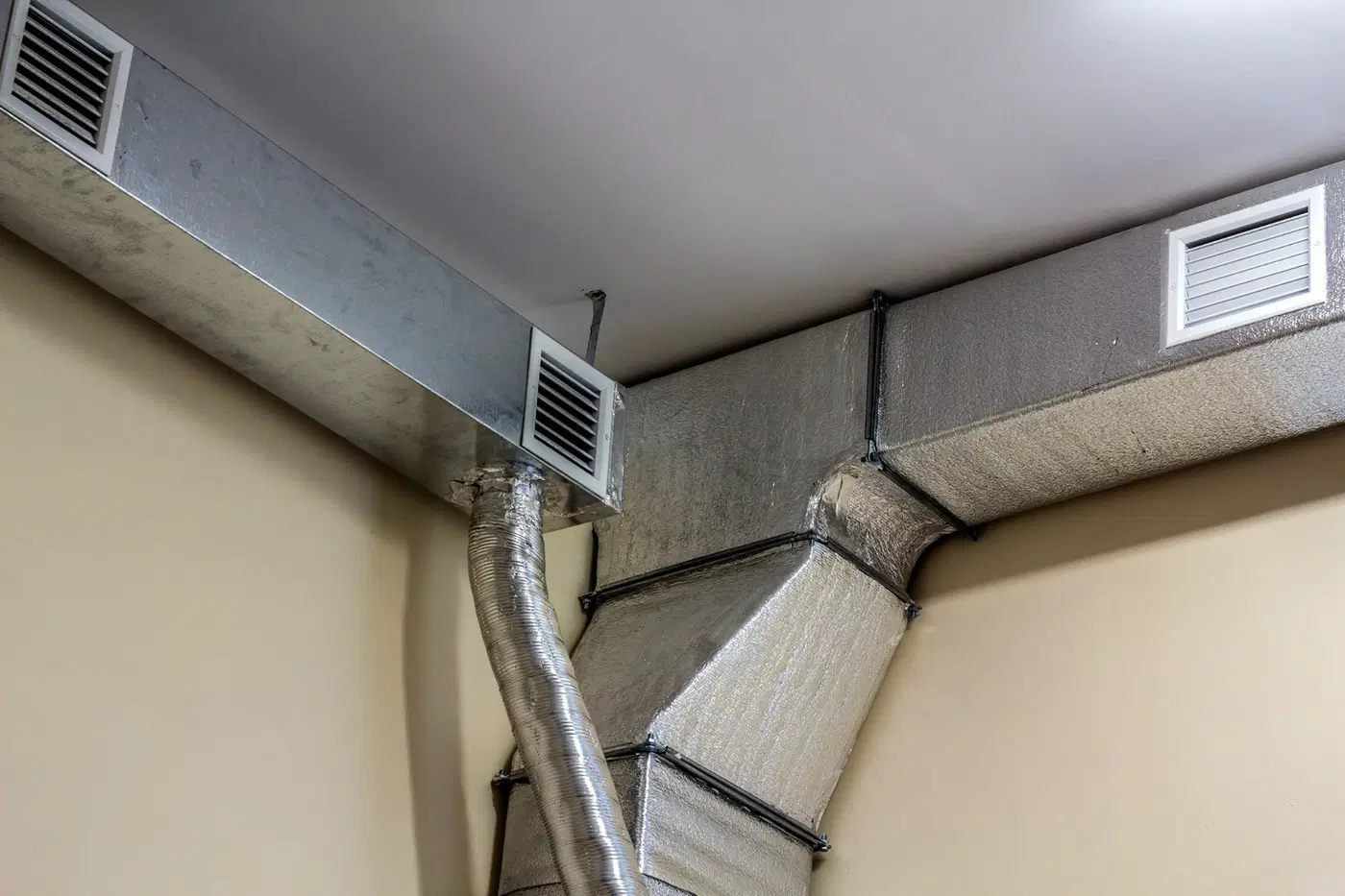
Buildings & airflow
Dubai properties depend heavily on air conditioning. Airflow, filters, coils, ducts, moisture and system cleanliness can therefore be relevant when investigating dust, odors and other indoor environmental concerns.
Explore AC & Indoor Air QualityMoisture & the building
Visible mold can be one part of a wider moisture problem. Humidity, condensation, leaks and HVAC conditions may all be relevant. Investigating the underlying moisture conditions helps explain why mold can return after the visible growth has been removed.
Understand Mold & HumidityAn indoor moisture pathway
Moisture held in indoor air
Moisture may collect on cooler surfaces
Persistent dampness can support growth
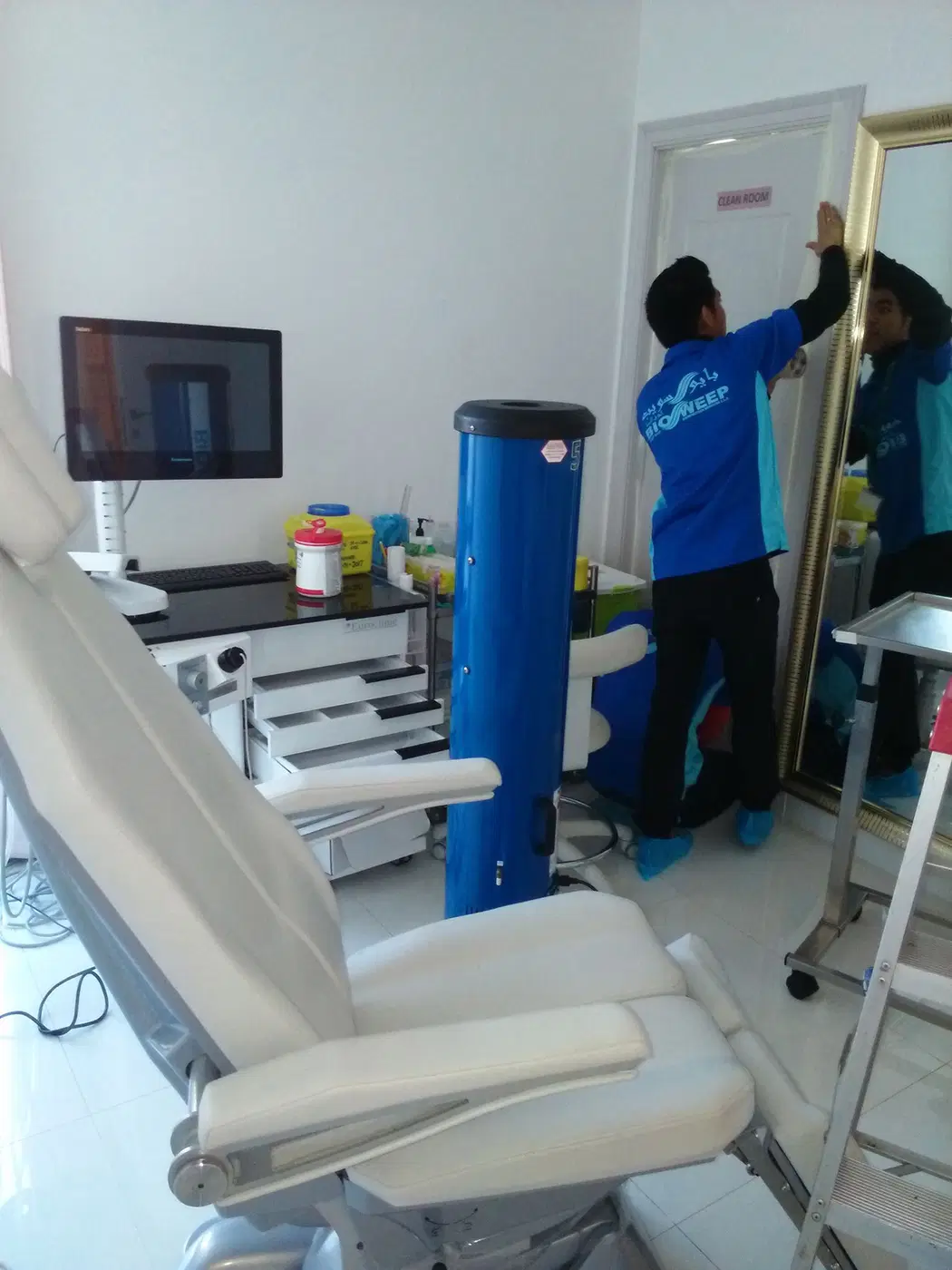
Practical knowledge. Local context.
IndoorAirQualityDubai.com is supported by the practical indoor environmental experience of BioSweep Middle East. Our work across HVAC hygiene, mold investigation, remediation and indoor environmental services provides real-world context for the information published here.
Knowledge Centre
Dust & particles
Humidity & moisture
AC & HVAC
Indoor air essentials
AC & HVAC
Indoor air essentials
Your next step
Start with the problem you're experiencing. An assessment can help determine what deserves closer investigation and what the appropriate next step may be.